Typical Pests and Solutions: An In-Depth Manual for Managing Pests
Households often face challenges from common pests like ants, cockroaches, and rodents. Such infestations might interrupt household life and introduce health dangers. Early detection is key, often signaled by telltale signs such as droppings or gnaw marks. Learning about successful treatment approaches and preventative tactics can secure properties. This guide investigates these factors and provides insight into when professional help may be necessary. What steps can homeowners take to safeguard their properties successfully?
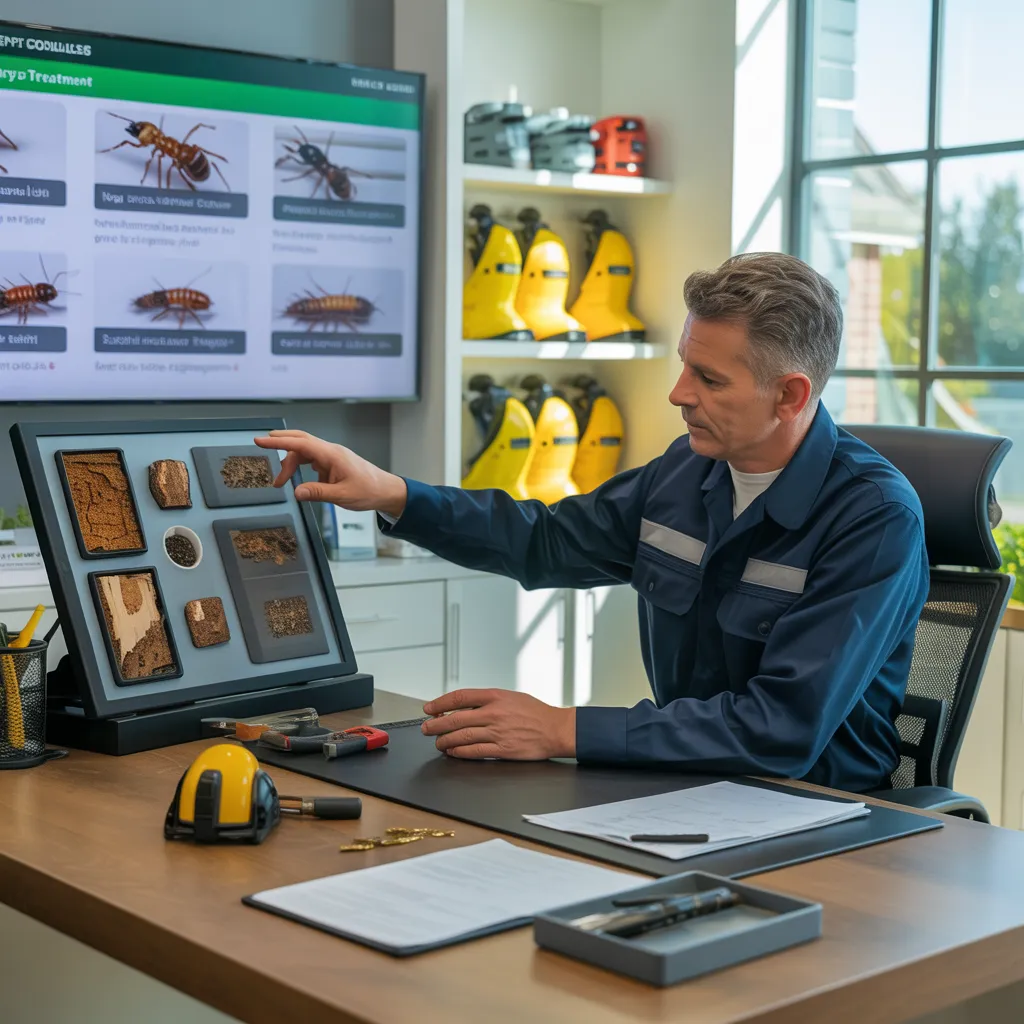
Detecting Frequent Home Pests
How can one effectively identify common household pests? The primary step entails observing the environment for evidence of pest infestation. Typical household pests consist of ants, cockroaches, spiders, and rodents. Every species displays unique characteristics. Ants are often seen in trails, while cockroaches prefer dark, damp areas. Spiders are identifiable by their webs and characteristic body shapes. Rodents, such as mice and rats, leave droppings and gnaw marks.
In addition, understanding pest behavior is crucial. For instance, some pests are active at night, making evening inspections necessary. Understanding their favored habitats aids in identification; termites, for example, are usually found near wood sources. Identifying these traits can allow for faster identification and appropriate management. Thus, a keen eye and knowledge of common pests' habits and appearances are essential for effectively identifying household pests.
Signs of Infestation
The existence of pests within a residence commonly shows itself via numerous signs of infestation. Residents may detect droppings, which can change in size and configuration according to the pest variety. Moreover, gnaw marks found on wood or food packaging reveal rodent activity, whereas minor holes in walls or furniture may point to the presence of insects additional article including termites. Unusual sounds, like scratching or buzzing, often signal an infestation hidden within walls or ceilings.
An additional clear sign is the existence of nesting sites and webbing, which can be found in concealed spots and corners. Mysterious damage to vegetation and food supplies may also indicate pest activity. Moreover, foul odors can emerge from rotting pests or their waste. Identifying these signs early is vital for efficient pest control, as timely intervention can stop further damage and minimize health risks associated with infestations.
Prevention Tactics
Once signs of infestation are detected, putting into action effective prevention strategies becomes critical to defending a home against future pest concerns. Homeowners should primarily focus on keeping cleanliness, as food scraps and clutter attract pests. Frequently sweeping, vacuuming, and properly storing food can significantly reduce the chance of infestations.
Furthermore, sealing cracks and crevices in windows, doors, and walls helps prevent pests from entering. Installing screens on windows and vents provides another barrier against pests. Correct drainage and getting rid of standing water remove breeding grounds for insects.
Landscaping practices also play an important role; maintaining trimmed bushes and preserving a clear boundary between vegetation and the home can prevent pest intrusion. Finally, training family members about these practices guarantees a collective effort in prevention, making it far more challenging for pests to establish a presence within the home.
Proven Treatment Choices
Handling an infestation calls for a systematic approach to confirm optimal treatment options are employed. Various methods exist, customized to particular pest types and the magnitude of the infestation. Chemical methods, such as insecticides and rodenticides, are frequently used for their quick impact. However, these products should be implemented carefully, adhering to safety regulations to protect humans and pets.
Eco-friendly biological controls, such as natural predators and parasites, present an alternative approach while decreasing chemical dependence. IPM integrates various approaches, focusing on prevention and monitoring in addition to treatment, thereby improving sustained efficacy.
Physical obstacles, including traps and exclusion strategies, deliver non-toxic alternatives for controlling pests, especially rodents and insects. In cases of severe infestations, specialized pest control assistance may be needed, leveraging advanced techniques and expertise to eliminate pests successfully. All treatment alternative should be assessed for its effectiveness, safety, and environmental impact to provide a balanced approach to pest management.
Do It Yourself Pest Removal Approaches
In the domain of pest control, DIY approaches can deliver effective alternatives to commercial treatments. Eco-friendly alternatives for managing pest challenges encompass natural remedies and homemade traps or baits. These methods not only minimize reliance on chemicals but also help individuals to take control of their living spaces.
Eco-Friendly Pest Control Remedies
How might homeowners efficiently tackle pest problems without depending on harsh chemicals? Nature-based treatments present a green approach to pest control. Plant-based oils, such as peppermint and tea tree, have the ability to ward off insects when thinned and misted around the residence. Diatomaceous earth, which is a powdery substance derived from fossilized algae, can be scattered in pest-prone areas, resulting in moisture loss for insects making contact with it. Vinegar preparations act as potent cleaners while also driving away ants and spiders. Additionally, planting pest-repellent herbs like basil and lavender can create a natural barrier against unwanted insects. Through adopting these natural strategies, residents can keep a pest-free home while decreasing their interaction with hazardous chemicals.
Homemade Bait and Trap Solutions
For homeowners searching for more options to address pests without chemical solutions, home-created traps and baits deliver an effective approach. These DIY methods utilize common household items, making them both cost-effective and eco-friendly. For instance, a straightforward fruit fly trap can be assembled with a jar containing apple cider vinegar and wrapped with plastic film, poked with tiny holes. This entices and ensnares the flies, reducing their population. In the same way, a combination of borax and sugar works as an effective bait for ants, attracting them while the borax damages their digestive functions. Homemade traps can target various pests, including rodents, insects, and even larger critters, supplying homeowners with a sensible replacement for purchased pest control merchandise.
When to Contact a Professional
Determining the ideal moment to call a specialist for pest control can be tricky. Homeowners commonly seek to address pest issues on their own, but specific situations necessitate expert help. If the infestation is widespread or has remained despite DIY attempts, it is advisable to seek professional help. Furthermore, specific pests, such as termites or bedbugs, require specific treatments that are best handled by qualified technicians.
When a homeowner encounters health concerns, like allergies or disease transmission related to pests, the requirement for professional assistance increases. Additionally, if the pest infestation damages structural integrity or poses a fire hazard, immediate action is crucial.
Lastly, those lacking the time or expertise to properly handle the situation should consider enlisting professionals. Detecting these signs can enable timely and effective pest management, ensuring a safe and comfortable living environment.
Common Questions
How Can I Tell if My Pest Problem Is Severe?
To establish if a pest infestation is severe, one should monitor the rate of sightings, visible damage to property, evidence of infestation, and the presence of droppings or nests, indicating a substantial, ongoing problem.
Do Natural Pest Control Remedies Exist?
Organic methods for pest control include utilizing essential oils, diatomaceous earth, vinegar, and soapy water. These solutions can repel or eradicate pests without hazardous chemicals, attracting those pursuing eco-friendly options for controlling infestations.
How Do I Safely Dispose of Dead Pests?
To safely dispose of dead pests, it's important to wear gloves, put the carcass into a sealed bag, and discard it in the trash. Alternatively, some may opt to bury it at a safe distance from residential spaces.
Are Pests Harmful to My Pets' Health?
Yes, pests can negatively impact your pet's well-being. Pest infestations can cause diseases, parasites, and allergic reactions, possibly resulting in discomfort or serious illness. Regular veterinary check-ups and preventive measures are essential for maintaining pets' well-being against pests.
How Much Does Professional Pest Control Cost?
Expert pest control services usually range from $100 to $300 per service call, depending on factors like the type of pest, severity of infestation, and location. Regular maintenance plans may require additional costs over time.